Easy Greek Recipes for Beginners: Master Mediterranean Flavors
Are you ready to infuse your kitchen with the vibrant tastes and wholesome goodness of the Mediterranean? The allure of Greece extends far beyond its ancient ruins and azure waters; it penetrates deep into its culinary traditions. For many, the idea of cooking Greek food might seem daunting, but we're here to tell you a delicious secret: many classic Greek dishes are incredibly simple to master, even for the most novice home cooks. This comprehensive guide will introduce you to a world of authentic Greek classics, proving that easy Greek recipes are not just a dream, but a delicious reality waiting to unfold in your home.
From succulent meats and hearty legumes to refreshing salads and tangy dips, Greek cuisine is a testament to fresh, seasonal ingredients and uncomplicated cooking techniques. It’s a culinary philosophy that celebrates the joy of sharing and the profound connection between food and family. Prepare to fall in love with a way of eating that is not only incredibly satisfying but also deeply nourishing. Let's embark on this flavorful journey together!
Why Embrace Easy Greek Recipes? The Mediterranean Advantage
There are countless reasons why Greek food finds itself on regular repeat in kitchens around the globe. Beyond its undeniable deliciousness, Greek cuisine offers a unique blend of benefits that resonate with modern lifestyles:
- The Quintessential Mediterranean Diet: At its heart, the Greek diet is the ultimate embodiment of the Mediterranean lifestyle. It emphasizes fresh vegetables, an abundance of beans and legumes, heart-healthy olive oil, and limited quantities of lean meats, poultry, and seafood. You'll find a distinct preference for whole grains and natural sweeteners like honey, while processed foods, refined flours, and refined sugars are notably scarce. This approach isn't just a trend; it's a centuries-old tradition that champions "real food, from land to table," directly reflecting what is grown and raised in traditional Greek villages.
- Simple, Wholesome, and Nutritious: Forget complex techniques and exotic ingredients. Many authentic Greek classics, especially those considered easy Greek recipes, rely on straightforward methods that allow the natural flavors of high-quality ingredients to shine. This means less time fussing in the kitchen and more time enjoying nutritious meals that fuel your body and delight your palate.
- A Taste of Heritage and Community: For generations, food has been the centerpiece of social gatherings and family life in Greece. Cooking Greek food is more than just preparing a meal; it’s an act of love, a connection to heritage, and an economical way to eat well. Imagine the warmth of a bustling Greek family kitchen, where every dish tells a story and every meal is an occasion to connect. By bringing these easy Greek recipes into your home, you're not just cooking; you're creating a space for togetherness and cherished memories.
Stocking Your Greek Pantry: Key Ingredients for Success
To truly master authentic Greek classics and tackle those easy Greek recipes with confidence, a well-stocked pantry is your best friend. Here are the staples you'll want to keep handy:
- Olive Oil: The Liquid Gold of Greece
In Greece, olive oil isn't just an ingredient; it's a way of life, revered as highly as gold. Unlike other cuisines where butter might be king, Greek cooking relies heavily on olive oil for nearly everything. It's used to fry, sauté, enrich sauces, and even features prominently in baking (think traditional marble cakes made with olive oil for a moist, tender crumb). Invest in a good quality extra virgin olive oil – it makes a noticeable difference in flavor. - Beans, Pulses, and Legumes: Hearty & Versatile
These powerhouses form the backbone of many Greek meals, offering incredible versatility and nutrition. A selection of dried or canned beans and legumes – such as lentils, white beans (like navy beans or cannellini), chickpeas, and peas – is essential. They're perfect for soups, stews, salads, and vegetarian main courses. Keep an eye out for frozen options too for ultimate convenience. - Feta: The Crumbly, Tangy Icon
What would Greek cooking be without feta? This salty, tangy, crumbly cheese is synonymous with Greece. Look for authentic Greek feta, often sold in brine, as it offers a superior flavor and texture compared to pre-crumbled varieties. It's indispensable in salads, baked dishes, and even as a simple topping for roasted vegetables. - Lemons: The Brightening Zest
Fresh lemons are a non-negotiable. Their bright, acidic juice and aromatic zest are used generously to cut richness, tenderize meats, and add a refreshing lift to almost any dish, from marinades to dressings to finished plates. - Garlic & Onions: The Flavor Foundation
These humble aromatics are the starting point for countless Greek dishes, building a robust flavor base for everything from sauces to stews. - Fresh Herbs: Aromatic Essentials
Oregano (especially Greek oregano), fresh parsley, dill, and mint are frequently used to add vibrant flavor and aroma. Growing a small herb garden, or keeping fresh bundles on hand, will elevate your Greek cooking significantly. - Greek Yogurt: Creamy & Cool
Thick, creamy Greek yogurt isn't just for breakfast. It's crucial for dips like tzatziki and offers a cooling counterpoint to richer dishes.
Your First Steps: Iconic Easy Greek Recipes to Try
Now that your pantry is ready, let's dive into some truly easy Greek recipes that will quickly become family favorites. These beginner-friendly dishes will have you mastering Mediterranean flavors in no time:
- Tzatziki: The Ultimate Cooling Dip
This refreshing dip is surprisingly simple to make and incredibly versatile. Combine thick Greek yogurt with grated cucumber (squeezed dry), minced garlic, fresh dill, a splash of red wine vinegar, and a generous drizzle of olive oil. Season with salt and pepper. Serve with warm pita bread, grilled meats, or as a cooling side to spicy dishes. - Traditional Greek Salad (Horiatiki Salata): Simplicity at its Best
Forget the lettuce! An authentic Greek salad is a celebration of peak-season vegetables. Combine ripe tomatoes, crisp cucumber, red onion, Kalamata olives, and a generous slab of feta cheese. Dress simply with good quality extra virgin olive oil, red wine vinegar, and a sprinkle of dried Greek oregano. - Roasted Lemon Potatoes (Patates Lemonates): A Flavorful Side
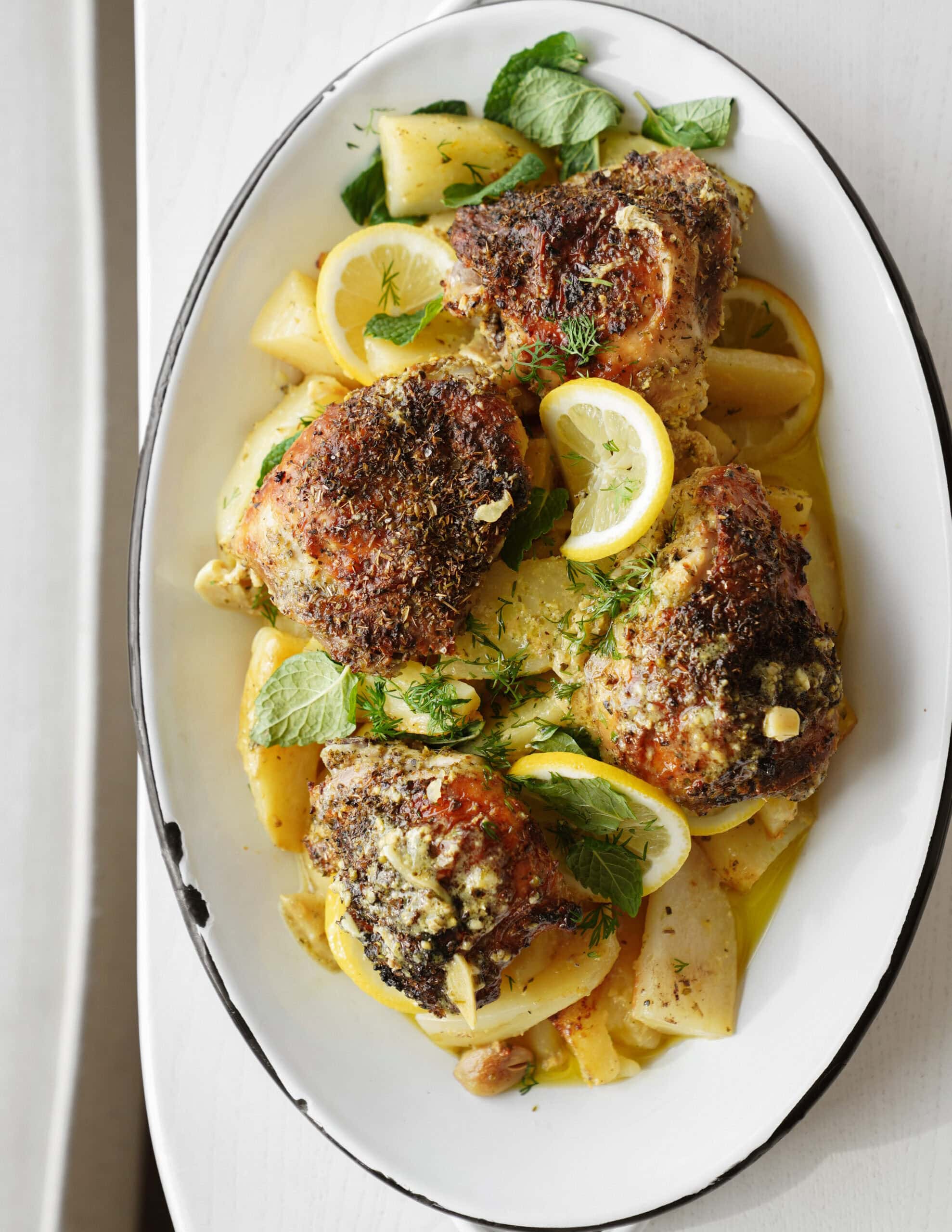
These potatoes are irresistibly crispy on the outside and tender on the inside, bursting with lemon and herb flavor. Cut potatoes into wedges, toss with olive oil, lemon juice, dried oregano, minced garlic, salt, and pepper. Roast until golden brown and delicious. They pair perfectly with almost any main course. - Pork or Chicken Souvlaki: Skewered Perfection
Souvlaki, marinated and grilled meat skewers, is a Greek street food staple that’s easy to replicate at home. Cube pork or chicken and marinate in a mixture of olive oil, lemon juice, dried oregano, garlic, salt, and pepper for at least 30 minutes (or up to overnight). Thread onto skewers and grill or broil until cooked through and slightly charred. Serve with tzatziki and pita. - Makaronia me Kima (Greek Spaghetti with Meat Sauce): Comfort with a Twist
This comforting dish is Greece’s answer to spaghetti bolognese, but with a unique Mediterranean twist. A rich meat sauce, often flavored with a hint of cinnamon or allspice, is simmered with tomatoes and served over spaghetti, typically topped with grated Kefalotyri or Parmesan cheese. It’s hearty, flavorful, and a true crowd-pleaser. - Fakes (Lentil Soup): A Wholesome Classic
This incredibly nutritious and flavorful lentil soup is a staple in Greek homes. Brown or green lentils are simmered with olive oil, garlic, onion, carrots, celery, bay leaves, and a touch of red wine vinegar. It’s a wonderfully warming and economical meal, especially when served with a crusty bread.
Mastering Greek Flavors: Beyond the Plate
Embarking on your Greek culinary adventure is about more than just following recipes; it's about embracing a philosophy. Here are a few tips to truly master Greek flavors:
- Don't Skimp on Olive Oil: As mentioned, olive oil is foundational. Don't be shy with it; its robust flavor is key.
- Embrace Freshness: The simpler the ingredients, the more important their quality. Seek out fresh, seasonal produce.
- Taste, Adjust, Repeat: Greek cooking often relies on intuition. Taste your food as you go and adjust seasonings (especially lemon, salt, and oregano) to your preference.
- Keep it Simple: Resist the urge to overcomplicate things. The beauty of these easy Greek recipes lies in their elegant simplicity.
- Set the Mood: Put on some bouzouki music, pour a glass of ouzo or wine, and immerse yourself in the experience. Food is love, and cooking should be a joyful act.
Conclusion
Cooking Greek food doesn't require a trip to the Aegean or a lifetime of culinary training. With this guide, you have the knowledge and inspiration to dive into a world of authentic Greek classics that are both approachable and deeply satisfying. From the vibrant health benefits of the Mediterranean diet to the sheer joy of creating delicious, wholesome meals for yourself and your loved ones, embracing easy Greek recipes is a rewarding journey. So grab your apron, stock your pantry, and prepare to bring the sun-drenched flavors of Greece into your home. Your kitchen is about to become your new favorite Greek taverna!
